Get Insulated Siding Installation
Insulated siding installation services help property owners improve energy efficiency, protect against weather damage, and enhance curb appeal through expert siding upgrades by trusted local contractors.
Insulated siding installation is a practical upgrade for property owners looking to enhance their home's energy efficiency and curb appeal. This service can help improve insulation, reduce heating and cooling costs, and add a fresh, attractive appearance to a building’s exterior. Whether planning a renovation or seeking to maintain the value of a property, exploring options for insulated siding is a smart step to consider. Local contractors specializing in this work can provide the expertise needed to assess your project’s needs and recommend suitable solutions.
For those in the area evaluating different service providers, understanding the benefits of insulated siding and comparing local options can lead to a well-informed decision. Working with experienced local contractors ensures the work aligns with your property’s specific requirements and local building standards. Keep reading to discover how connecting with qualified service providers can support your project goals and help you find the right solution for your property.
- Insulated siding installation - homeowners seeking to improve energy efficiency and reduce heating and cooling costs.
- Insulated siding installation - property owners wanting to enhance their home's exterior durability and weather resistance.
- Insulated siding installation - those looking to upgrade their home's curb appeal with modern, insulated siding options.
- Insulated siding installation - residents preparing for seasonal weather changes that require added insulation and protection.
- Insulated siding installation - individuals aiming to increase their home's overall comfort and reduce noise infiltration.
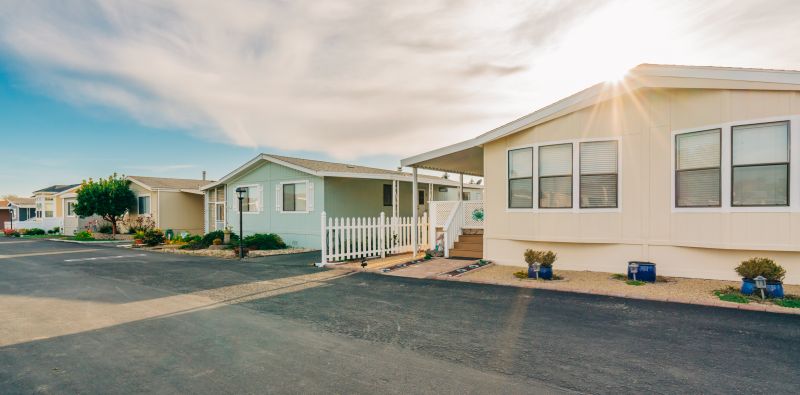
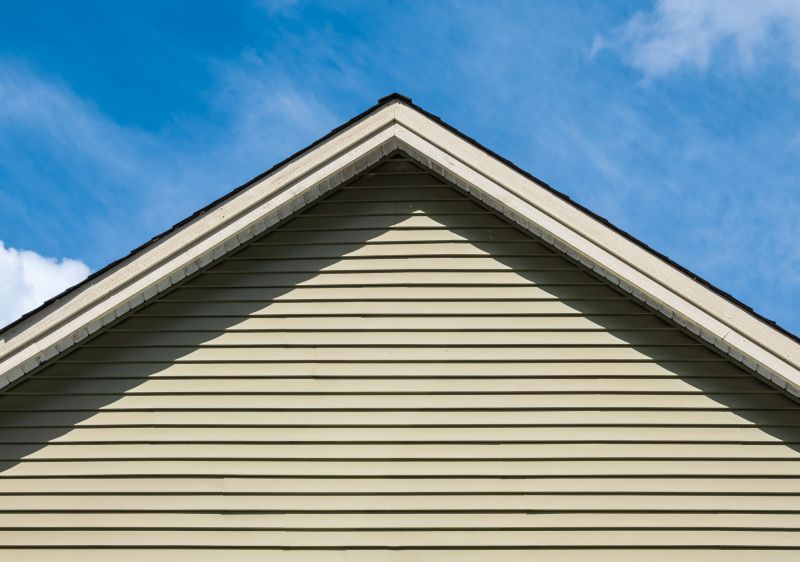
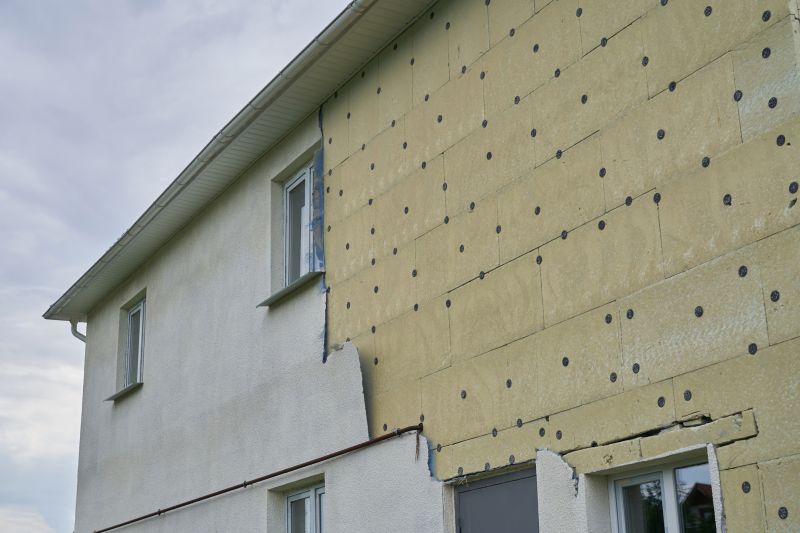
Insulated siding installation involves attaching specially designed siding panels that incorporate insulation materials to the exterior of a building. This service enhances the overall thermal performance of a property by providing an extra layer of insulation, which helps maintain consistent indoor temperatures. The installation process typically includes removing existing siding if necessary, preparing the surface, and carefully fitting the insulated panels to ensure a secure and seamless exterior. Homeowners seeking to improve energy efficiency or update the appearance of their property often consider insulated siding as a practical upgrade.
One of the primary benefits of insulated siding installation is its ability to address common issues related to energy loss and high utility bills. Poor insulation can lead to drafts, uneven temperatures, and increased heating or cooling costs. By installing insulated siding, homeowners can reduce heat transfer through exterior walls, resulting in a more comfortable living environment and potential savings on energy expenses. Additionally, insulated siding offers added protection against weather elements like wind, rain, and snow, helping to prevent moisture intrusion and structural damage over time.
This service is frequently used on a variety of property types, including single-family homes, multi-unit apartment buildings, and commercial structures. It is particularly popular in regions with significant temperature fluctuations, where insulation can make a noticeable difference in comfort and energy efficiency. Whether a property is relatively new or older and in need of exterior updates, insulated siding can be a valuable investment to enhance durability, curb appeal, and overall performance.
Homeowners who notice issues such as drafts, rising energy bills, or exterior damage may find insulated siding installation to be a suitable solution. It is also a practical choice for those planning to upgrade their property’s exterior while simultaneously improving insulation. Local service providers can assess the specific needs of a property and recommend insulated siding options that match the style, budget, and performance goals of the homeowner. Contacting experienced contractors can help determine if insulated siding is the right choice for enhancing a property's exterior.
The overview below groups typical Insulated Siding Installation projects into broad ranges so you can see how smaller, mid-sized, and larger jobs often compare in your area.
In many markets, a large share of routine jobs stays in the lower and middle ranges, while only a smaller percentage of projects moves into the highest bands when the work is more complex or site conditions are harder than average.
Smaller Repairs - For minor insulation repairs or patching, local contractors typically charge between $250 and $600. Many routine jobs fall within this range, though costs can vary based on the extent of the work.
Partial Siding Replacement - Replacing sections of insulated siding usually costs between $1,000 and $3,500. Larger or more complex projects tend to reach the higher end of this range, but most projects are in the middle.
Full Siding Replacement - Complete installation of insulated siding for an entire home often falls between $7,000 and $15,000. These larger projects can go higher depending on size and material choices, though many stay within this typical range.
Custom or Complex Installations - Custom designs or homes with unique features may see costs exceeding $20,000. While less common, these projects represent the higher end of the spectrum, with most local pros able to handle standard jobs within standard ranges.
Actual totals will depend on details like access to the work area, the scope of the project, and the materials selected, so use these as general starting points rather than exact figures.
Siding Repair and Replacement - local contractors skilled in siding repair and replacement can often handle insulated siding installation as part of their services to improve home exterior durability.
Exterior Wall Insulation Projects - professionals experienced in adding or upgrading wall insulation can apply similar techniques when installing insulated siding to enhance energy efficiency.
Cladding Installation - experts who install various types of exterior cladding are familiar with the planning and tools needed for insulated siding projects to achieve a seamless finish.
Home Exterior Renovations - contractors working on comprehensive exterior upgrades often incorporate insulated siding installation to improve insulation and curb appeal.
Weatherproofing and Sealing - specialists in weatherproofing exteriors have the skills to ensure insulated siding is properly sealed and protected against the elements.
Garage and Outbuilding Siding - local service providers experienced in siding projects for garages and outbuildings can adapt their skills to insulated siding installation for various structures.
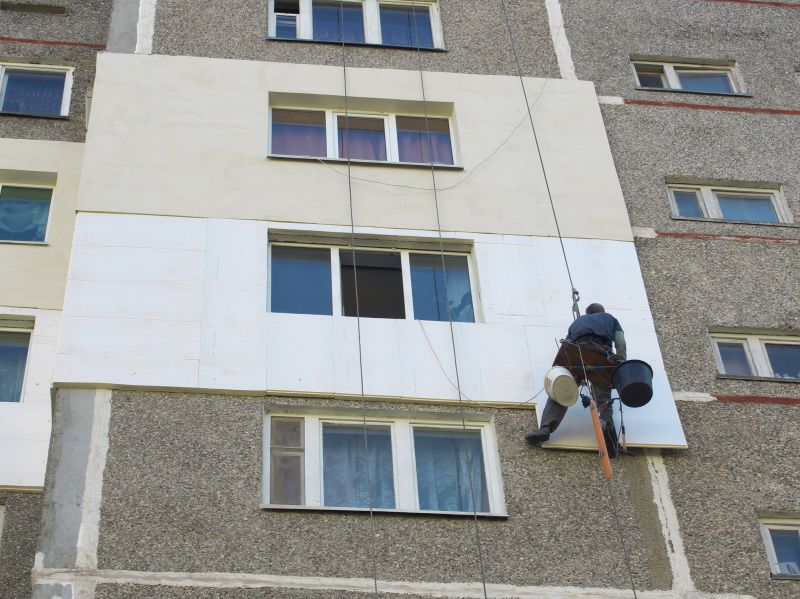
When comparing service providers for insulated siding installation, it’s important to consider their experience with similar projects. Homeowners should look for local contractors who have a proven track record of handling projects comparable in scope and complexity. An experienced pro will be familiar with the specific challenges that can arise during siding installation and will have a better understanding of the best practices to ensure a quality result. Asking about past work or viewing portfolios of completed projects can help gauge a contractor’s familiarity with insulated siding and their ability to deliver satisfactory outcomes.
Clear, written expectations are essential when selecting a contractor for this type of work. Homeowners should seek out providers who can articulate their process, what the project entails, and what the homeowner can expect throughout the installation. Having detailed, written communication helps prevent misunderstandings and ensures everyone is aligned on the scope of work. It’s also wise to request a detailed proposal or scope of work document, which can serve as a reference point and provide clarity on what services will be provided and what standards will be maintained.
Reputable references and good communication are key indicators of a reliable service provider. Homeowners should inquire about references from previous clients who have had similar work completed. Speaking with past customers can provide insight into the contractor’s professionalism, punctuality, and quality of work. Additionally, effective communication throughout the project is crucial; a contractor who is responsive, transparent, and attentive to questions or concerns can help ensure the project progresses smoothly. It’s important to remember that the site introduces homeowners to local options and does not perform the work itself, so taking the time to evaluate these factors can lead to a more successful siding installation experience.
Property owners use Insulated Siding Installation services for practical projects around their homes and businesses. This guide focuses on everyday jobs and straightforward project options.
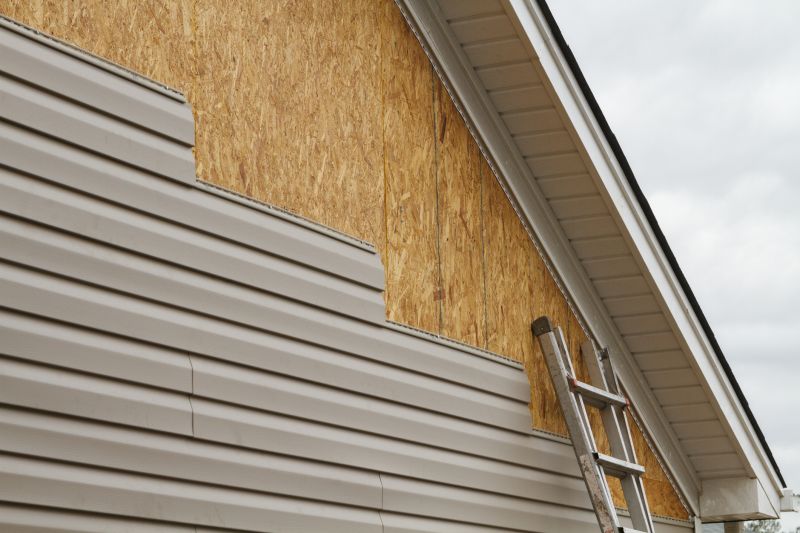
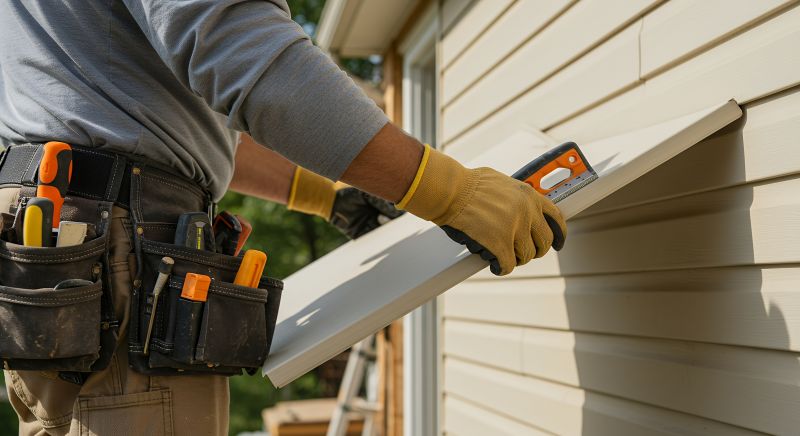
Insulated siding installation is a common project for property owners looking to improve their home's energy efficiency and curb appeal. Many local homeowners consider this upgrade when they notice increased heating or cooling costs, or when their existing siding shows signs of wear and weather damage. Additionally, those seeking a low-maintenance exterior solution often turn to local contractors who specialize in installing insulated siding to enhance both the look and insulation of their property.
Property owners may also pursue insulated siding services after experiencing drafts or uneven indoor temperatures, which can indicate poor insulation. Some might be preparing their homes for resale or simply want to update their exterior for a fresh appearance. Local service providers are available to handle these projects, helping homeowners achieve a more comfortable and visually appealing home environment.
What are the benefits of insulated siding installation? Insulated siding can improve a home's energy efficiency, enhance exterior durability, and provide a more finished appearance.
How do local contractors install insulated siding? Skilled service providers typically prepare the existing surface, install the insulation beneath the siding, and ensure proper sealing and fastening for a secure fit.
Is insulated siding suitable for all types of homes? Insulated siding can be installed on most residential exteriors, but a local contractor can assess compatibility based on the home's structure and condition.
What materials are used for insulated siding? Common materials include vinyl, fiber cement, and composite panels, each offering different aesthetic and performance options.
How can I find local service providers for insulated siding installation? This website helps connect homeowners with nearby contractors experienced in insulated siding projects for professional installation.
Energy Efficiency Improvements - Insulated siding installation can help property owners reduce heating and cooling costs by enhancing a building’s thermal performance.
Exterior Upgrade Projects - Homeowners looking to refresh or modernize their property's appearance may consider insulated siding as a durable and attractive option.
Weather Resistance Solutions - Property owners in areas with harsh weather can use insulated siding to better protect their homes from wind, rain, and temperature fluctuations.
Soundproofing Enhancements - Those seeking to minimize outdoor noise infiltration might explore insulated siding to create a quieter indoor environment.
If you are thinking about Insulated Siding Installation for a property, this guide is meant to help you understand the work, the typical project types, and how different options might fit your plans.
When you are ready, you can use the quote form on this page to share a few details about your project. From there, local pros can review the basics and respond with options that match what you have in mind.